By SeaDoc Society and Senator Patty Murray’s Office
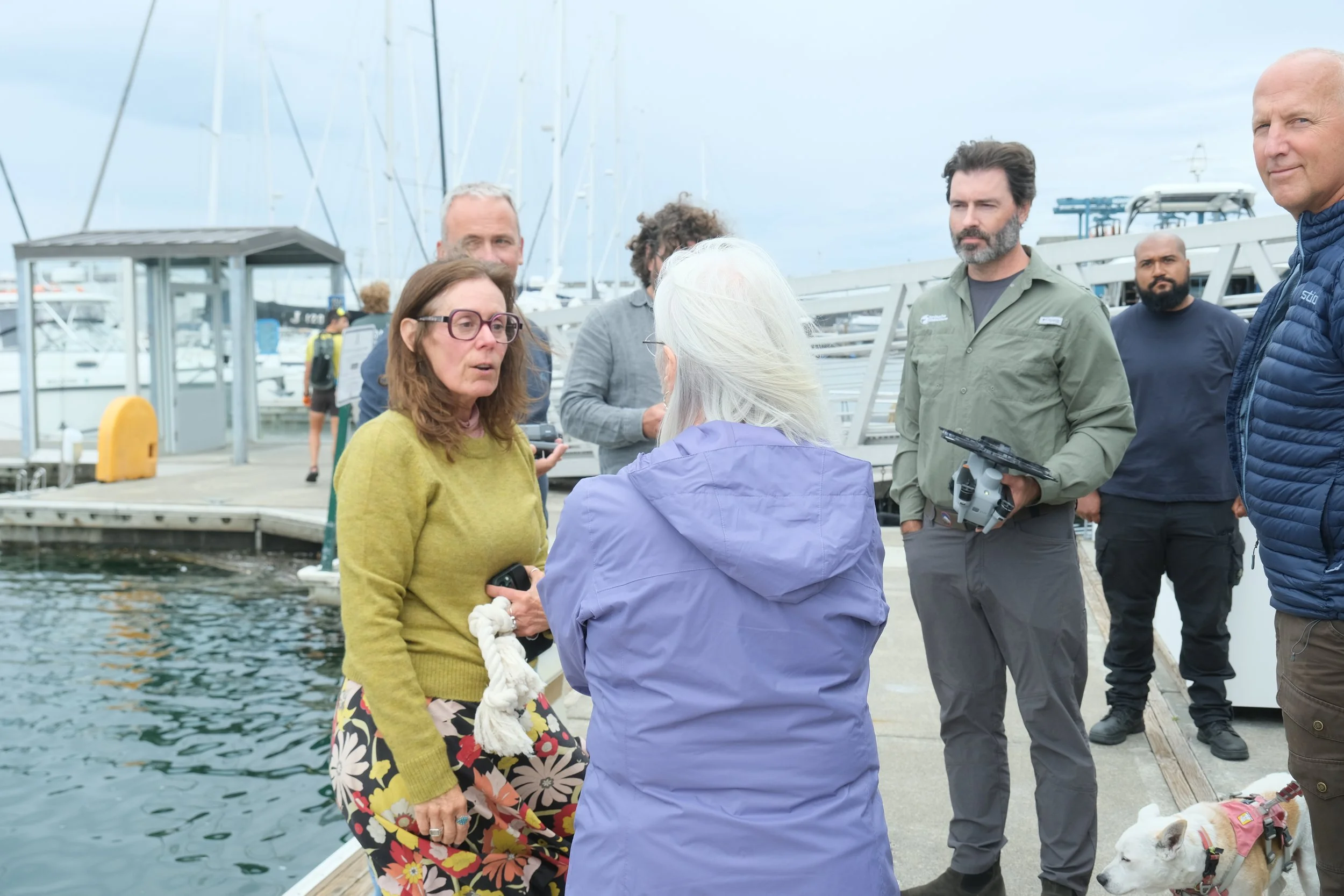
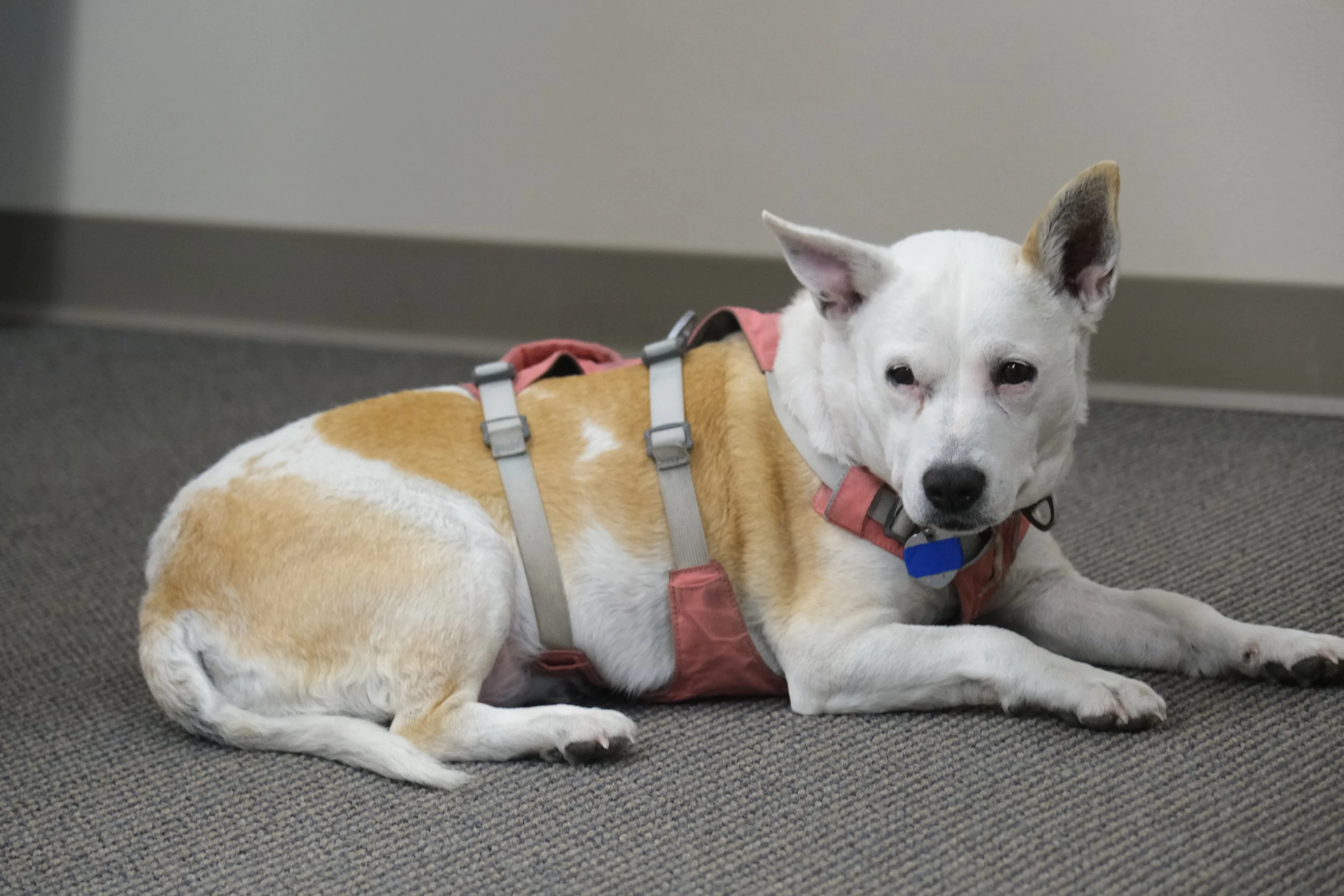
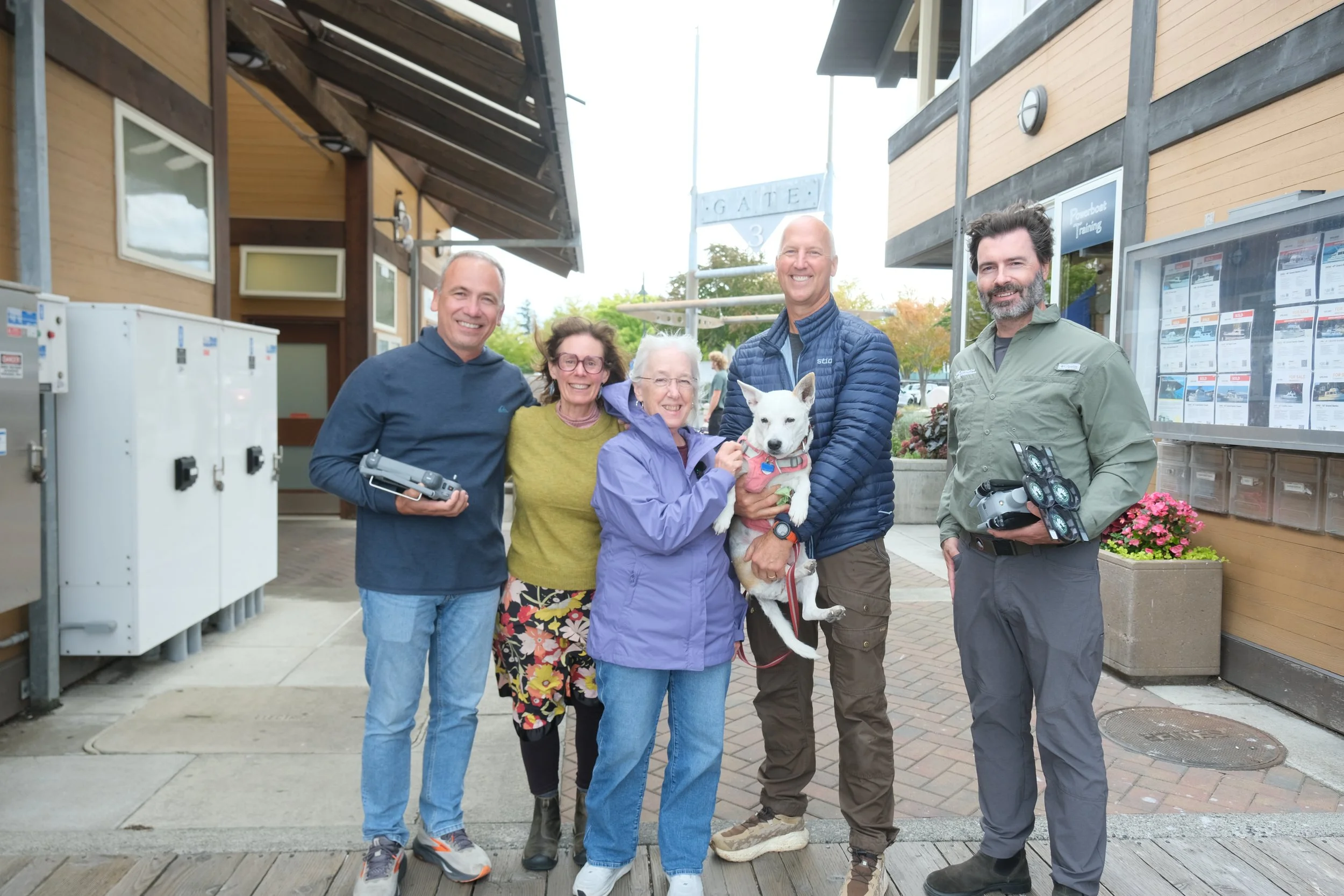
SeaDoc Society Scientists Drs. Deborah Giles and Joe Gaydos met with U.S. Senator Patty Murray in Bellingham last month to talk about vital killer whale research and the $850,000 in Congressionally Directed Spending that Murray secured for SeaDoc Society to help support the recovery of endangered Southern Resident Killer Whales in the Salish Sea. And of course, our whale-poop-sniffing research dog Eba came along for the ride to meet the Senator! As did our brilliant field collaborators with the San Diego Zoo Wildlife Alliance. Here’s more from Murray’s office:
The SeaDoc Society was founded in 2000 to conduct and sponsor scientific research in the inland waters of the Salish Sea. SeaDoc also uses an orca tracking dog named Eba, who stands on the bow of the boat and can detect an orca’s fecal sample by smell up to a mile away. Fecal tracking and collection are crucial to the research team’s mission of understanding and protecting orcas. When Eba successfully tracks down an orca, she gets to play with her rope toy as a reward.
“Orcas are not just whales, they are foundational to the identity and culture of the Pacific Northwest,” said Senator Murray. “SeaDoc is doing incredible work to study orcas and develop new systems to share data across research institutions and government agencies so we can all do our part to protect this amazing species. So many endangered species, like orcas, are the heartbeat of our native cultures and coastal economies—and I will keep doing all I can to save our orcas, our salmon, and everything that makes the Pacific Northwest so special.”
A large population of Southern Resident Killer Whales once thrived in the Salish Sea, but a sharp decline in Chinook salmon, their primary food source, along with rising toxin levels and disruptive vessel noise, has pushed them to the brink of extinction. Their population has fallen nearly 20 percent since the late 1990s.
Many established tracking and research techniques for orcas are highly invasive, but Eba, a scent-detection dog, can detect the scent of fecal matter from a great distance, allowing the research team to work non-invasively and stay away from the whales so as not to trigger a stress response. Whale scat alone can reveal hormone levels, toxin exposure, and other valuable data. The SeaDoc team also works in collaboration with the San Diego Zoo Wildlife Alliance to conduct non-invasive drone surveys to collect Southern Resident killer whale breath.