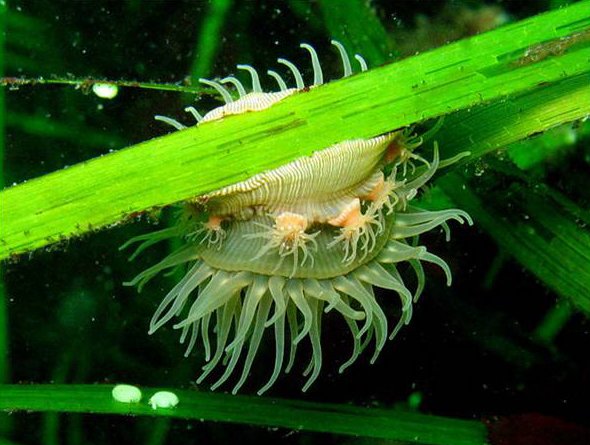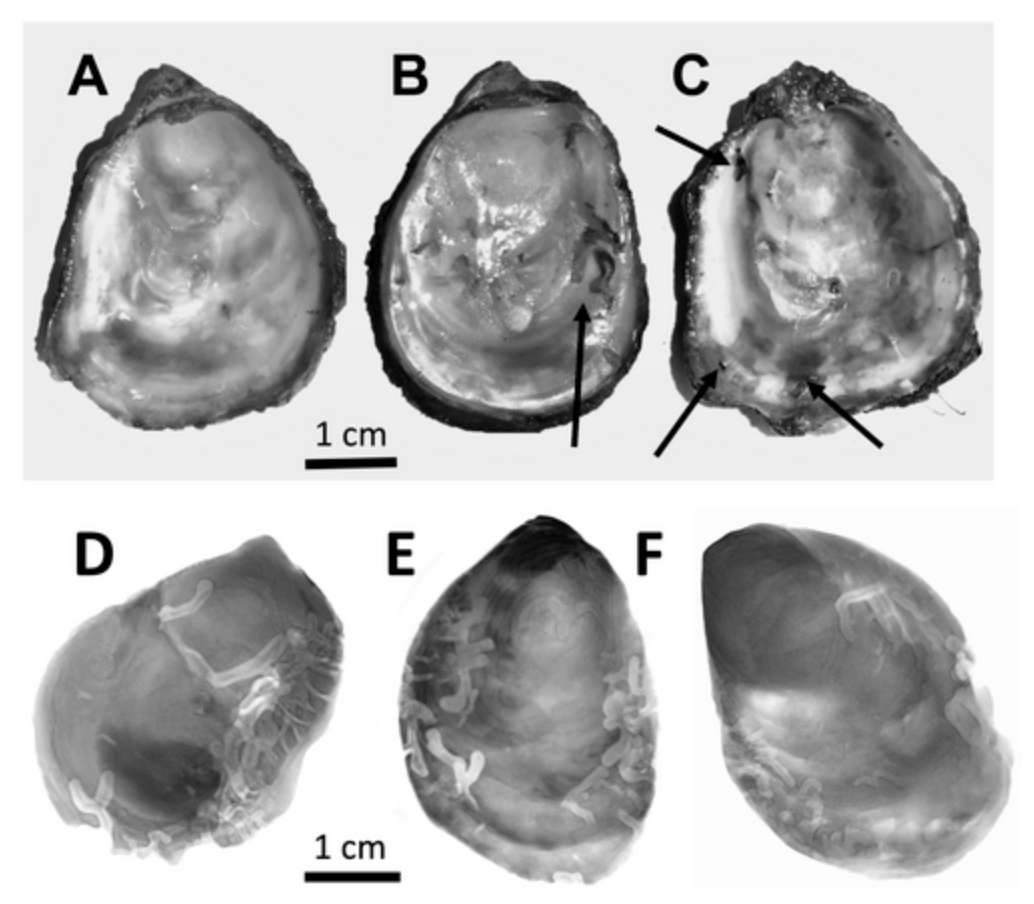
When shell-boring marine worms were first documented in Olympia oysters in 2020, they raised an important question for restoration: were these parasites always part of the Salish Sea ecosystem, or were they accidentally introduced with Pacific oysters a century ago? That mystery sent researchers on an investigation thousands of years into the past.
Thank You Jamie Donatuto for Your Service as SeaDoc Science Advisor!
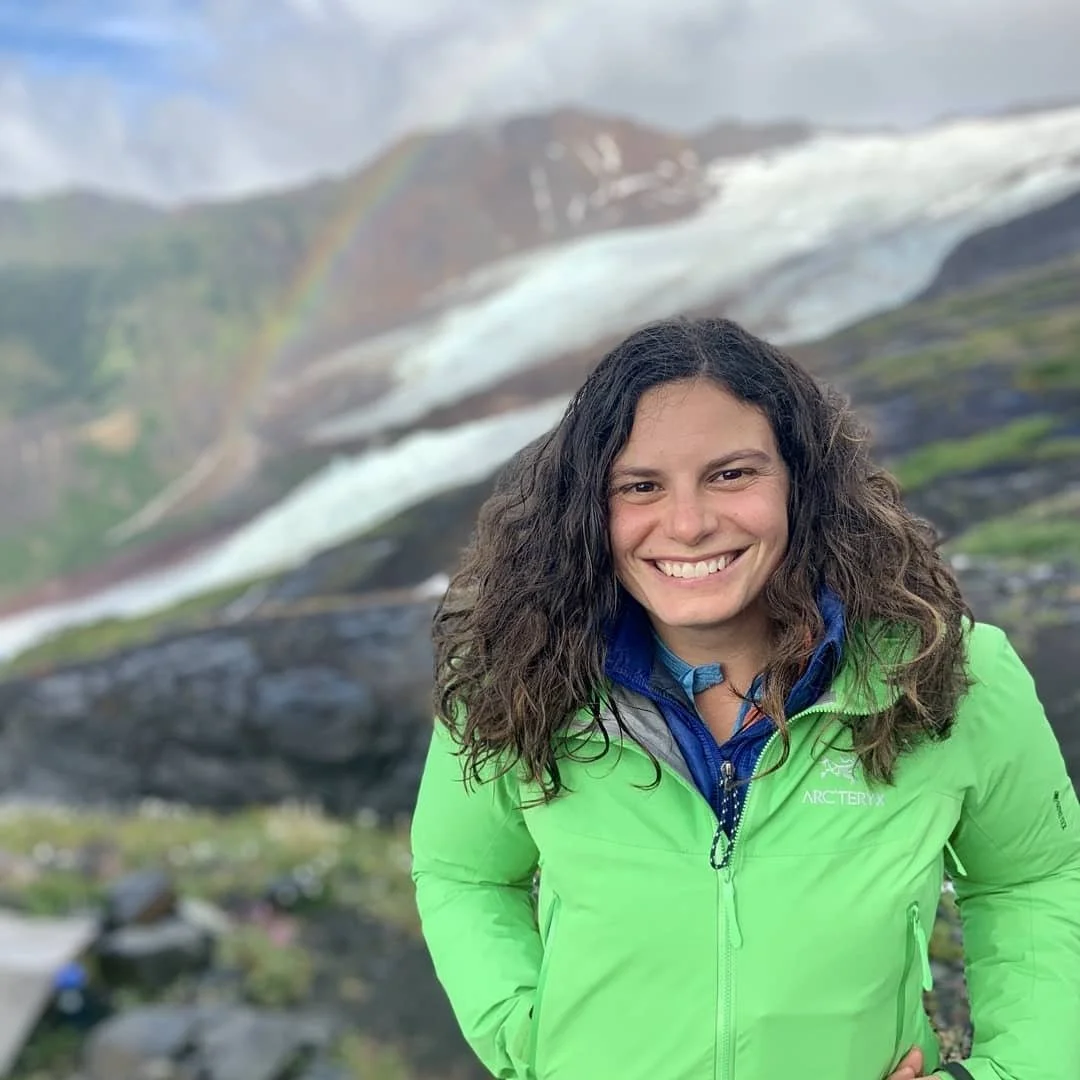
After nearly a decade of valuable guidance as a member of SeaDoc Society's Scientific Advisory Committee, we want to thank Jamie Donatuto for her service! Jamie has helped shape SeaDoc Society's science funding since 2017 in her capacity as community environmental health analyst for the Swinomish Tribe. SeaDoc Soiety has funded dozens of projects to the tune of many hundreds of thousands of dollars since Jamie joined the committee 9 years ago.
The Day that Changed my Life, by Dr. Deborah Giles
Can I tell you a story that changed my life?
We crested the hill on the west side of San Juan Island and watched as Haro Strait opened up before us. It was July 7th, 1987—my 18th birthday.
Next came the sound of blows echoing across the water, and there they were: nearly a hundred Southern Resident Killer Whales all within calling distance of each other! I would later learn that every member of J, K, and L Pods was in attendance that day. A true Superpod.
I stepped out of the car and started to cry.
New SeaDoc Society Science Advisors: Tim Ragen and Noelani Villa
SeaDoc Society is thrilled to welcome two new members to our Scientific Advisory Committee, which plays a vital role in our mission to fund and conduct impactful science here in the Salish Sea. Our newest members are Tim Ragen and Noelani Villa, both of whom bring a wealth of knowledge and experience to our team.
A lifelong marine scientist and conservation leader, Tim Ragen has spent decades advancing the protection of ocean wildlife. Meanwhile Noelani Villa is blending science, culture and community to help shape a more resilient future for Tribal nations and coastal ecosystems. Learn more about Tim and Noelani below! Welcome to the team!
Deadly 300-Foot Fishing Net Recovered from Salish Sea Floor
During a recent research dive, SeaDoc scientists Joe Gaydos and Cat Lo spotted a large Ghost Net strewn across the Salish Sea floor. Not only do these nets strangle and kill wildlife, but they’re also a danger to divers. Cat supported to Joe as he hooked a bright marker to the net, ensuring that he didn’t get entangled in the process. When the divers returned to the boat, Erika dropped a GPS point to mark the exact location and the team alerted our friends at the Northwest Straits Foundation.
Photos from SeaDoc Society's 2025 Wine & Sea Auction!
Thanks to all who joined us for the 2025 Wine and Sea Auction last month! It was an incredible evening with so many special people – and the perfect way to celebrate out 25th anniversary in the Salish Sea. Now our eyes are fixed on the next 25 years, and we are excited about where we’re going.
We have a lot of work to do: 81 of the 268 Species of Greatest Conservation Need in Washington State are marine species. Abalone, native oysters, rockfish, marine birds, Southern Resident Killer Whales, and dozens more – all symbols of the work that lies ahead. Now is a time when SeaDoc and our impartial science are more important than ever and we’re lucky to have you by our side!
SeaDoc Funds New Science on Eelgrass, Dungeness Crab, Clam Gardens and Endangered Orcas
We're excited to share that SeaDoc will fund four new research projects this year–all carefully reviewed and selected by our Scientific Advisory Committee and made possible thanks to SeaDoc Society donors.
In a moment when science funding is tenuous, we feel privileged to help make this important work possible. We hope you do, too.
SeaDoc strives to fund projects that meet the criteria most often associated with having a positive conservation impact, meaning this work won't simply produce papers, but ultimately change the way we understand and manage the Salish Sea. Two of the funded projects were part of our dedicated Tribal and First Nations grant program.
The projects range from a novel process for planting eelgrass, clam gardens as a tool to combat climate change, biological monitoring of Dungeness crab, and the relationship between acoustics and behavior in Southern Resident Killer Whales.
Photos: On the Shores of Indian Island With SeaDoc Society Tidepoolers and Wildlifers
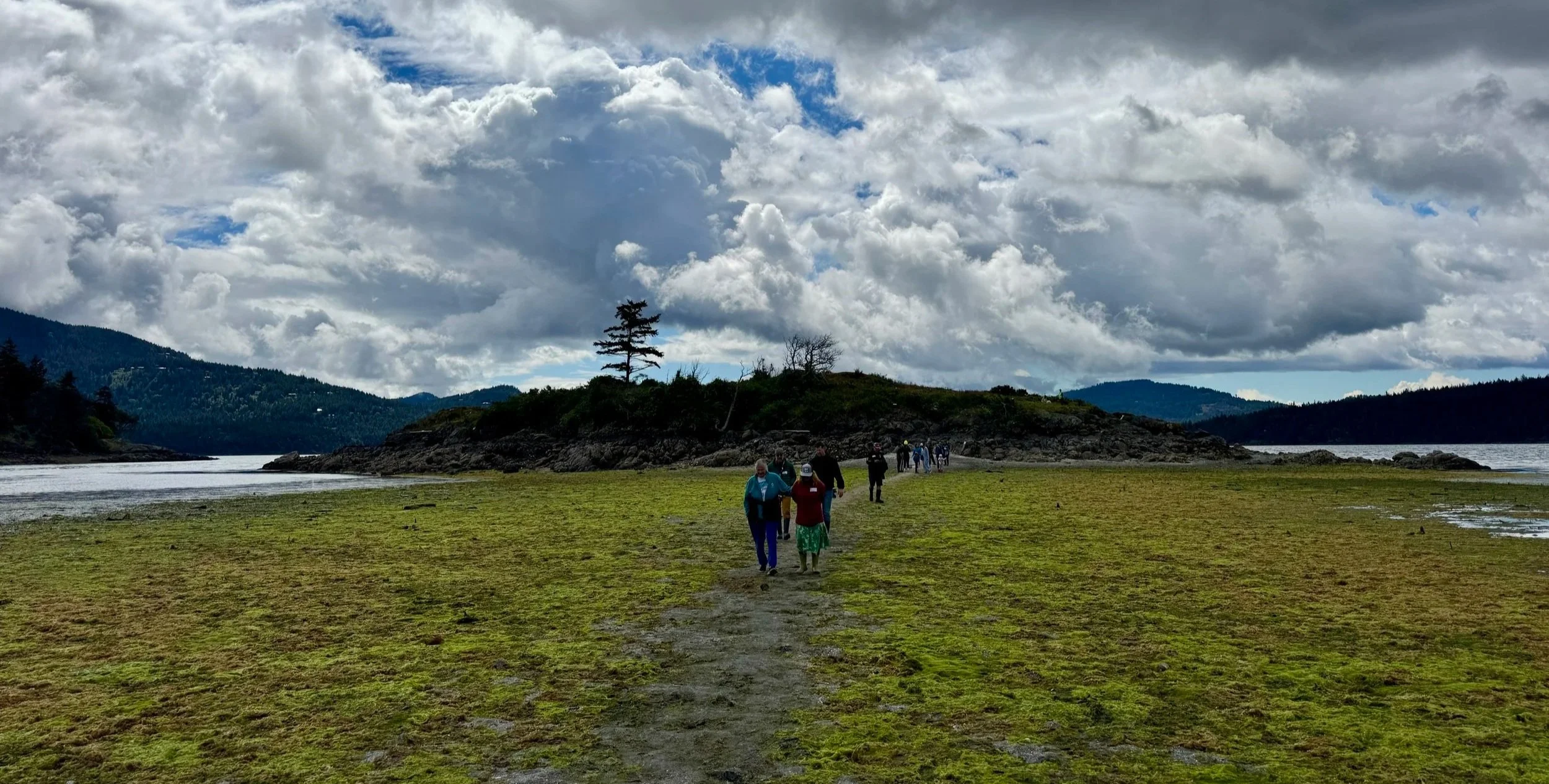
A group of dedicated SeaDoc Society supporters joined our team for a stunning day of tidal exploration on the shores of Orcas Island over the weekend! As the tide lowered and the sun came out, more than 30 donors and staff enjoyed a beautiful meal before hiking out to Indian Island.
Click through the slideshow above to see highlights from this spring’s Tidepoolers event!
Shared Waters: Managed to Extinction (TRAILER)
June is Orca Action Month and we’re excited to share the trailer for a documentary film that features our own Deborah Giles and Eba. Managed to Extinction is Part 2 in a three-part documentary series. It features Jay Julius and Giles as both work to address the shared extinction threat faced by Southern Resident Killer Whales and the Chinook salmon they need to survive.
Salish Sea Wild at the 62nd Annual Emmy Awards
Saturday June 7th was the black-tie gala celebrating the 62nd annual Emmy Awards ceremony for the Northwest Chapter of the Television Academy of Arts and Sciences. Going slightly off-fashion in blue tie to rep the ocean, SeaDoc’s Bob Friel was there as producer of our science-adventure series Salish Sea Wild!, which received not one but two nominations for best documentary in the long-form environmental category.
Salish Sea Wild Gets Two EMMY™ Nominations!
We’re thrilled to share that Salish Sea Wild, the SeaDoc Society’s original web series, has been nominated for two EMMY™ Awards by the National Academy of Television Arts & Sciences! The show is produced by Bob Friel and hosted by SeaDoc Society Science Director Joe Gaydos.
SeaDoc has two Salish Sea Wild episodes nominated in the North West Chapter's Environment/Science - Long Form Content category!
In the Beginning, We Needed a Name
Marine-Foraging River Otters in the Salish Sea
North American river otters (Lontra canadensis) are semi-aquatic mammals that range over most major river drainages, large lakes, and coastal marshes of North America. On the west coast, from Northern California (Bouley et al., 2015) to Alaska (Bowyer et al., 2003), river otters forage in and rely on healthy subtidal and intertidal zones where they feed on a variety of marine fish and invertebrates. The subspecies L. c. pacifica is found throughout the Salish Sea’s rivers, estuaries, coastlines, and coastal islands and plays an important role in the nearshore marine ecosystem. They are often confused with sea otters (Enhydra lutra) by the public because they are otters swimming in the sea. River otters do use and rely on marine resources, but taxonomically, they are not considered marine mammals like sea otters.
Exciting News: Wild Orca Joins The SeaDoc Society
We’re excited to share that Wild Orca, a non-profit organization dedicated to saving the Southern Resident killer whales, announced today that it is joining forces with the SeaDoc Society to work towards a shared vision: a future where these killer whales thrive in a healthy ecosystem. By combining the passion and expertise of our teams, including esteemed scientists Dr. Deborah Giles and Dr. Joe Gaydos, we can maximize our resources for a more significant impact on these endangered killer whales.
Meet Our 3 New Board Members: Scott White, Barb Tisi, and Jeff Anderson!
The SeaDoc Board is instrumental to our mission here in the Salish Sea. Scott, Barb, and Jeff bring unique expertise, passion, and dedication to our team and we’re so excited to have them! View the whole board here and learn more about Scott, Barb and Jeff below.
A Non-Invasive Tool For Collecting Killer Whale Breath Samples
Drones can be powerful tools in gathering important health data about wildlife, including marine species like the Salish Sea’s endangered killer whales. Scientists have already established the benefits of collecting breath samples to monitor orca health, but we wanted to scientifically understand if it is less invasive than previous sampling methods–namely the use of a long pole with a petri dish extended from a nearby boat toward the whale’s blowhole.
A new study published in the peer-reviewed journal, Marine Mammal Science, led by SeaDoc Society Research Assistant Catherine Lo, answered that question by analyzing more than 1,000 drone-collected killer whale breath samples.
Meet SeaDoc's Newest Science Advisors, Caitlin Magel and Phil Bloch
This summer, our brilliant Scientific Advisory Committee gathered in Seattle to assess and ultimately determine funding for five new critical research projects here in the Salish Sea. You can read about those here.
Our Science Advisors are a vital part of our mission, and we’re excited to introduce two exciting new additions. They are Caitlin Magel of Puget Sound Institute and Phil Bloch of Confluence Environmental Company. We asked them a few questions so you can get to know them a bit better.
Welcome Caitlin and Phil!
SeaDoc Announces More than $200,000 in New Funded Research
We're excited to announce that SeaDoc Society will fund five new scientific research projects aimed at improving the longterm health of the Salish Sea. Each project was carefully reviewed and selected by our Scientific Advisory Committee and funded through your donations from people like you.
We look forward to sharing more about each of these as fieldwork ramps up, but here is a brief look at the newly funded projects:
Joe Gaydos Elected to Washington State Academy of Sciences
The 2024 Wine & Sea Auction!
To all who joined us for the 2024 Wine and Sea Auction, thank you again for caring so deeply and for taking action for this place we love! It was a gorgeous day on the water with amazing people, all in support of the Salish Sea. Thank you for being part of it! You truly make all of our work possible. Enjoy some photos from the evening below!
~ Team SeaDoc