By Joe Gaydos and Bob Friel
SeaDoc is a science-based marine conservation program. We understand that science informs policy, including priority setting and budgeting.
Washington State faces difficult budget choices. With multi-billion-dollar shortfalls, lawmakers are scrutinizing every line item. In moments like this, funding that supports biodiversity — everything from living soil to forests, from bugs to whales, and from mountain streams to the sea—can look like a luxury. It is not.
Hunted species, domesticated animals, and lands used for extraction are given priority for funding and management. There’s a belief that the rest of our natural places and resources (aside from a charismatic species or two) will be fine if left alone. Unfortunately, in a time when human impacts reach the furthest corners and deepest marine trenches on earth, that’s not true.
Despite a lack of voice or constituency, our state’s undeveloped ecosystems and background wildlife quietly perform crucial services that protect human health, safeguard domestic animals, and underpin our economy.
Recent history shows what happens when we ignore that fact.
Due to poisoning from a drug given to cattle, vulture populations in India collapsed from an estimated 50 million birds to just a few thousand in little more than a decade. Vultures certainly aren’t cute and cuddly, and no one celebrates Thanksgiving with a Butterball buzzard. So, what’s the worst that could happen if a landscape loses a repulsive scavenger? For a start: 500,000 human deaths from rabies and other diseases.
Counting dollars instead of deaths, a 2024 study in the American Economic Review found that the loss of the vultures’ free scavenging and sanitation services cost India an estimated $69 billion annual economic loss.
The United States has its own cautionary tale. A fungal disease known as white-nose syndrome decimated insect-eating bat populations across the country. The loss was catastrophic for the 50 affected bat species — but it was also costly for farmers. Research estimated agricultural losses approaching $500 million annually. And farmers had to replace the bats’ free exterminator services by piling on the pesticides, which also led to a tragic human loss. A 2024 study in Science found that for every 1% increase in insecticide use, infant mortality rates rose by 0.25%.
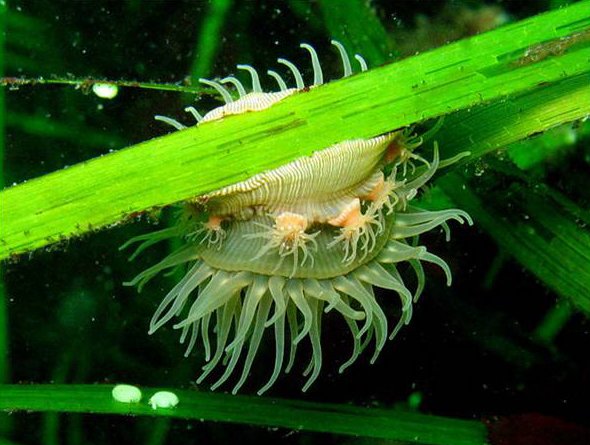
Here in the Salish Sea, we are learning similar lessons. A recent SeaDoc Society–funded study published in Nature Sustainability found that eelgrass meadows act as green infrastructure—natural sewage and stormwater treatment plants, literally—that reduce the flow of disease-causing bacteria from land into shellfish. Protecting and restoring our eelgrass does not just help salmon and forage fish; it helps prevent pathogens from reaching the seafood on our plates, keeping Washingtonians and our robust cultured seafood industry healthy.
The plants and animals we don’t hunt or eat, the trees we don’t mill, the invisible seabeds we cruise over: these all make up the biodiversity that’s prioritized less when it comes to state funding. But that biodiversity is infrastructure. It is public health protection. It is economic resilience. When compared with the costs incurred when these natural systems collapse, the return on investment in their conservation are enormous.
Washington’s natural heritage supports fisheries, tourism, agriculture and the quality of life that attracts people and businesses. Cutting already limited biodiversity funding to close a budget gap may appear fiscally prudent, but it could be disastrously shortsighted.
When we invest in biodiversity, we are not choosing wildlife over people. We are choosing clean water over disease, natural pest control over toxic substitutes, and resilient economies over avoidable losses. We are choosing prevention over crisis.
Washington has long been a leader in environmental stewardship. In this moment of fiscal strain, biodiversity funding is not discretionary spending. It is a down payment on our collective health, prosperity and future.
Author Biographies:
Dr. Joseph Gaydos is a wildlife veterinarian and the Science Director of the Washington State-based SeaDoc Society.
Bob Friel is writer and producer of the Emmy-nominated ocean science documentary series, Salish Sea Wild. Together, they’ve spent decades studying and documenting the Salish Sea’s biodiversity.
Photo by Janna Nichols