We recently interviewed Shell for our Pod of Orcas Podcast. Listen to that conversation on Spotify, Apple Podcasts, or wherever you listen!
The SeaDoc Society has hired a new full-time veterinary translational scientist, who will join the team on Orcas Island starting this summer.
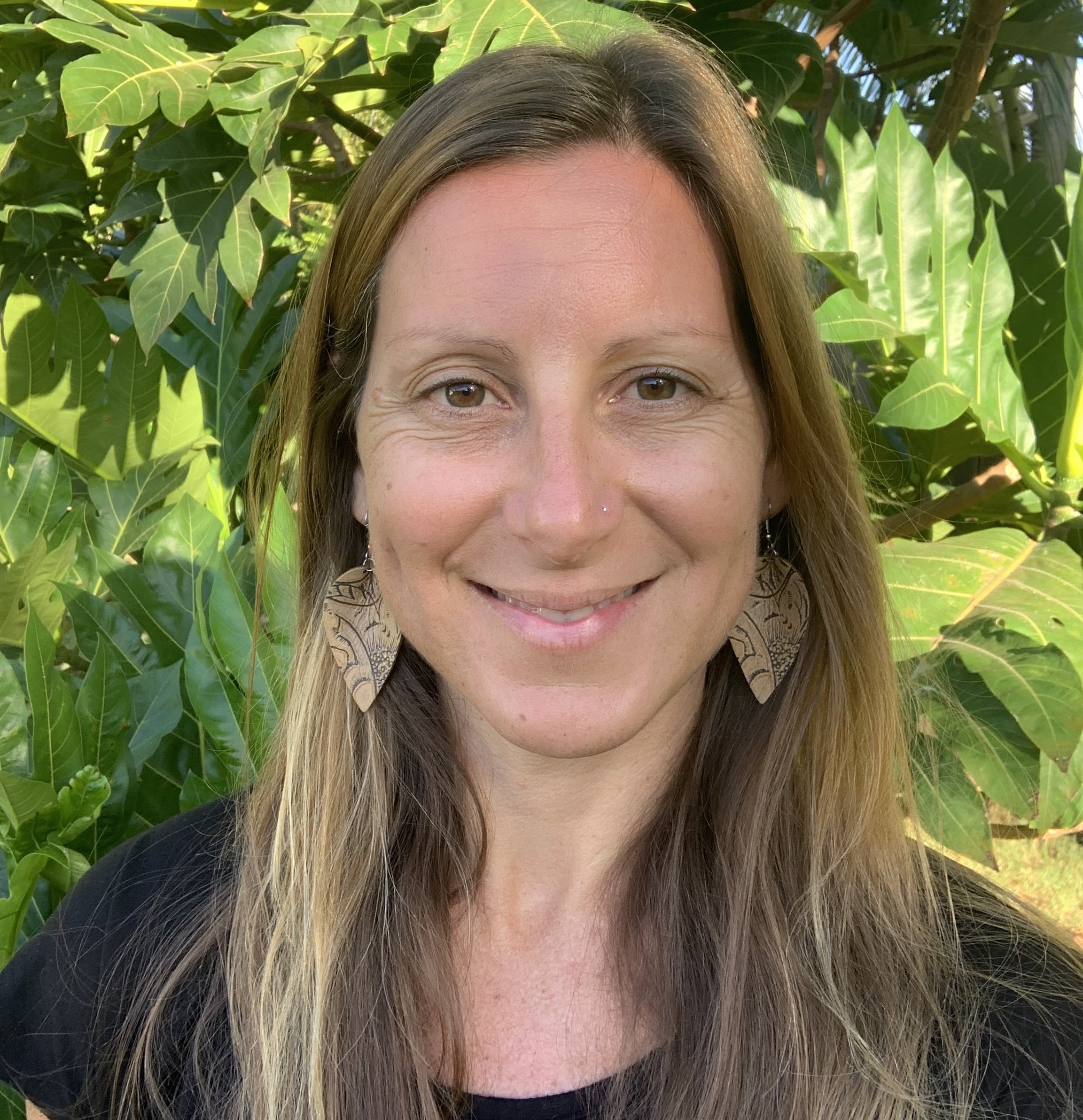
Dr. Michelle Barbieri Lino, who interned with SeaDoc as a veterinary student back in 2009, monitoring the marine mammal stranding network among other roles, will be moving to Orcas Island with her husband and 7-year-old daughter this summer.
Lino and her family currently live on Oʻahu, where she formally led National Oceanic and Atmospheric Administration’s Hawaiian Monk Seal Research Program. She has played a key role in the recovery of the species since 2012, helping to reverse the endangered population’s decline.
Lino’s addition to the SeaDoc team comes just one year after the local nonprofit merged with Wild Orca, bringing respected Killer Whale Scientist Dr. Deborah Giles onto the team. In a time when US science funding is experiencing broad cuts, the SeaDoc Society is actively working to grow its impact.
Lino joins a scientific team of Dr. Giles, SeaDoc Research Assistant Cat Lo and Science Director Joe Gaydos.
“I couldn’t be more excited about Michelle coming on board to further expand our scientific impact,” said Gaydos. “She brings everything we were looking for and more: veterinary skills working with endangered marine wildlife, a strong science publication record, experience working with native and local communities, and science translation skills at the local and national level. Did I mention she also can drive a boat?”
Lino grew up in Maryland and first discovered her love of wildlife and marine ecosystems during trips to the Chesapeake Bay. She attended college at University of North Carolina Wilmington and later received her Doctor of Veterinary Medicine from the UC Davis Weill School of Veterinary Medicine. Along the way she worked on projects related to Southern Right Whales in Argentina, marine mammals in the Bay Area, and even spent a whole summer working with SeaDoc on Orcas Island in 2009.
“As a SeaDoc intern, I immediately learned that both the wildlife and community of the Salish Sea were indescribably special,” said Lino. “And now, as a wildlife veterinarian, it’s an immense privilege to join this community and serve this ecosystem by advancing conservation here.”
Lino brings not only her vast scientific expertise and experience, but also her skills in management, communication, and building strong coalitions.
“I look forward to deepening and developing relationships to conduct conservation research and share our science,” said Lino.
The endangered Hawaiian Monk Seal population was in decline when Lino started at NOAA, with every animal critical to the species’ future. During her 13+ years with the program–the last seven as its lead–she and her collaborators reversed the trend and took the population from about 1,000 to 1,600 and counting.
As a Translational Scientist with SeaDoc, Lino’s work will be wide-ranging with an eye toward the health of the ecosystem. She will work to ensure that SeaDoc Society’s scientific efforts drive positive change for the ecosystem along with the wildlife and people who call it home.
“We’re grateful to all of the private donors that made this SeaDoc expansion possible,” said Gaydos.