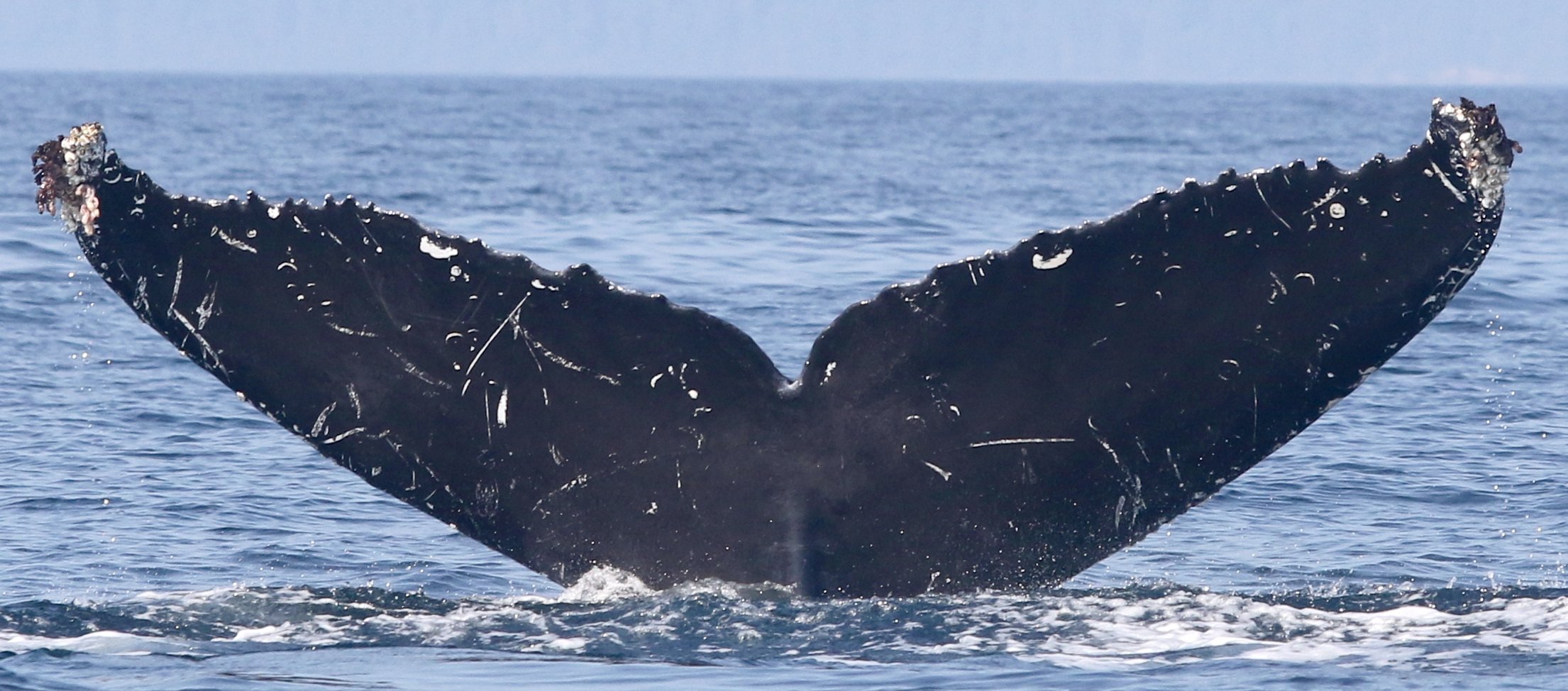
SeaDoc Society Scientists Drs. Deborah Giles and Joe Gaydos met with U.S. Senator Patty Murray in Bellingham this month to talk about important Killer Whales research and the $850,000 in Congressionally Directed Spending that Murray secured for SeaDoc Society to help support the recovery of endangered Southern Resident Killer Whales in the Salish Sea. And of course, our whale-poop-sniffing research dog Eba came along for the ride to meet the Senator! Here’s more from Murray’s office:
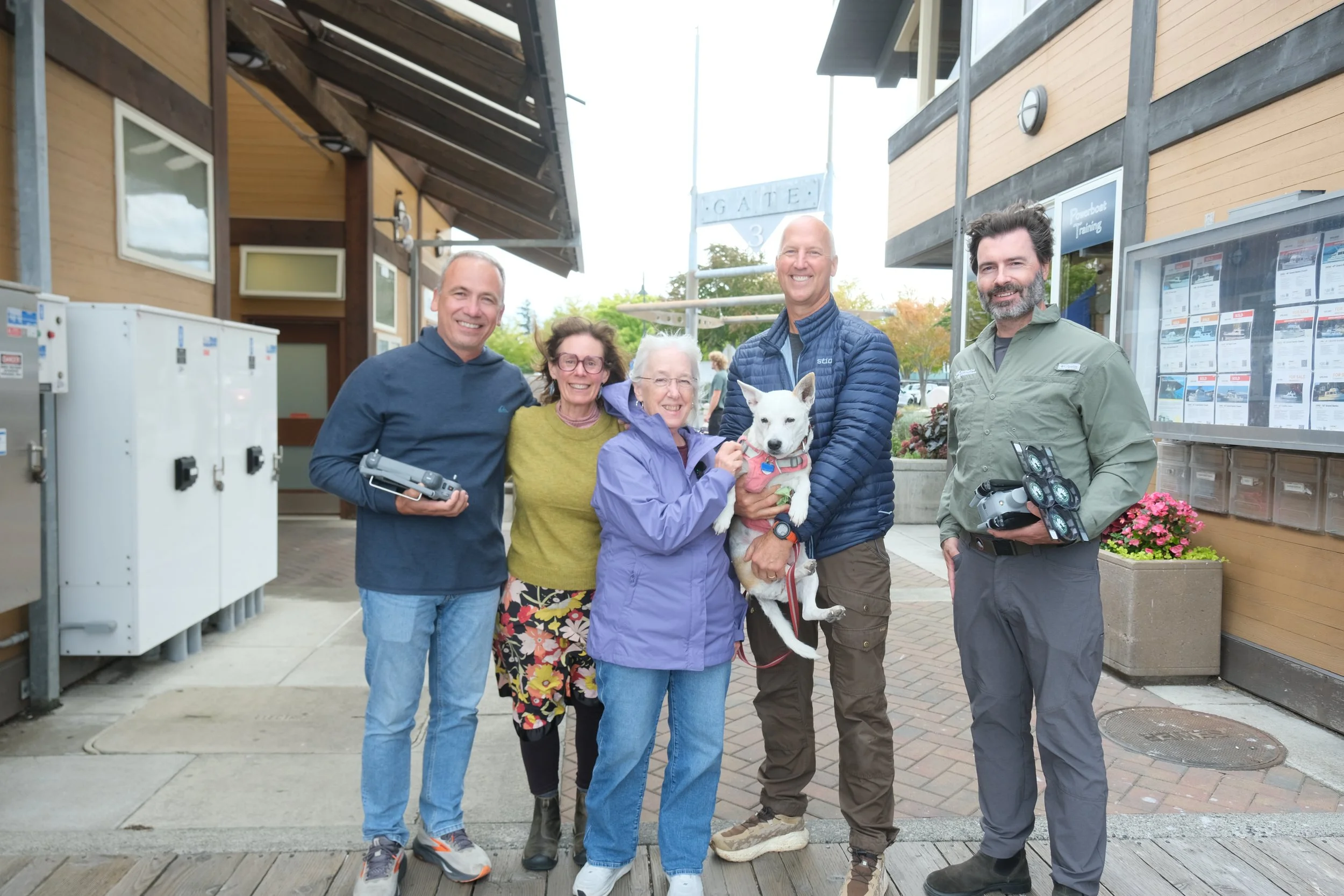
Safety is crucial for a marine science organization that’s working regularly on the dynamic waters of the Salish Sea. Whether it’s a simple boat ride or a full day of SCUBA dives amid changing tides and currents, it’s important to be prepared.
That’s why Team SeaDoc annually schedules a week of training to refresh not only our core safety skills, but to build and develop new ones as well.
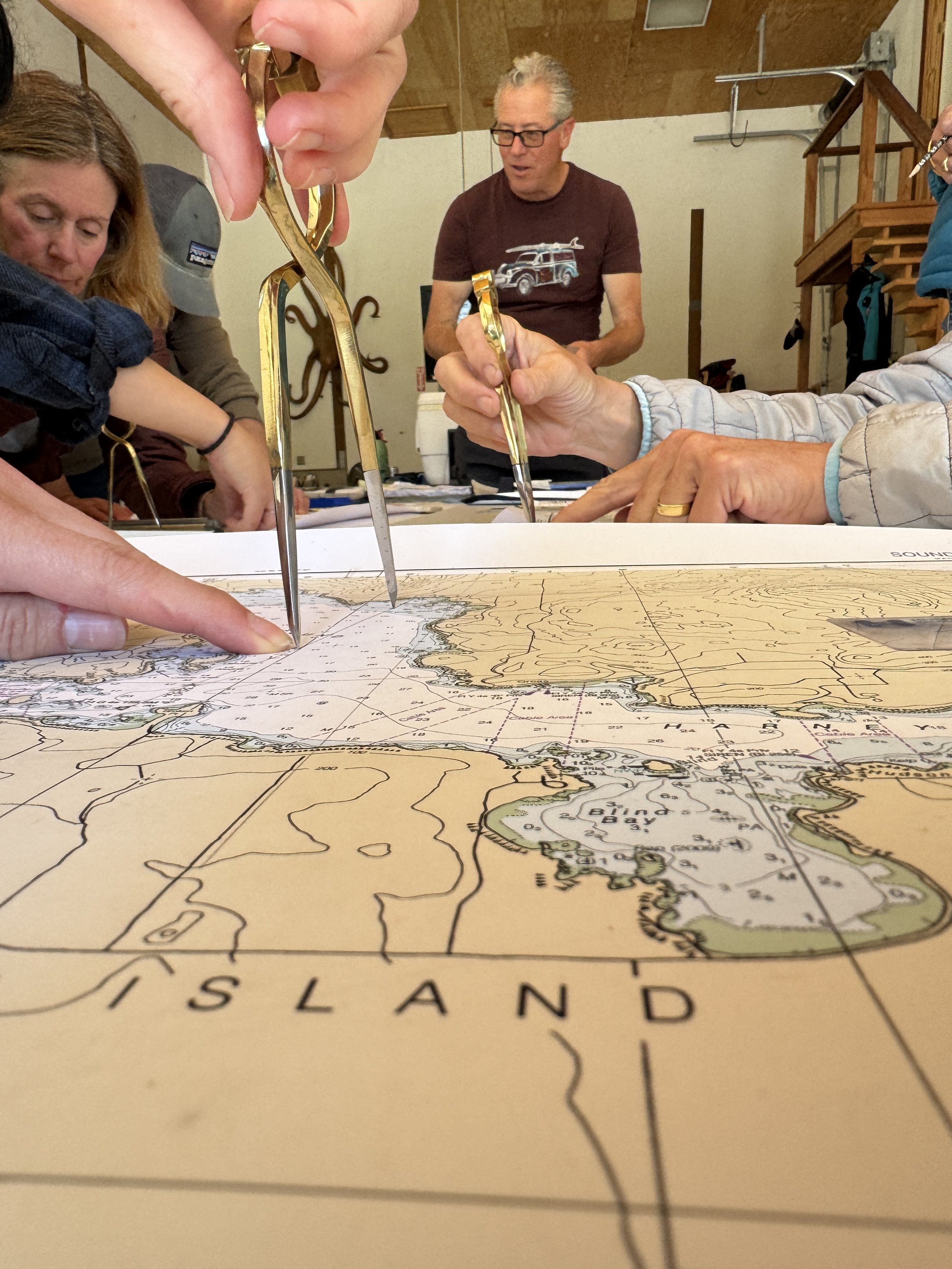
Thank you to everyone who joined us for the 2026 Wine & Sea Auction! Under the theme Expanding Science, Expanding Hope, we gathered on a beautiful, sunny Orcas Island afternoon to celebrate the power of science, community, and generosity in protecting the Salish Sea.
Thanks to our donors, sponsors, guests, and volunteers, this year's event was a great fundraising success that will help fuel SeaDoc’s ongoing work. Your generosity is an investment in hope—for marine wildlife, healthy ecosystems, and the people who care deeply about this remarkable place.
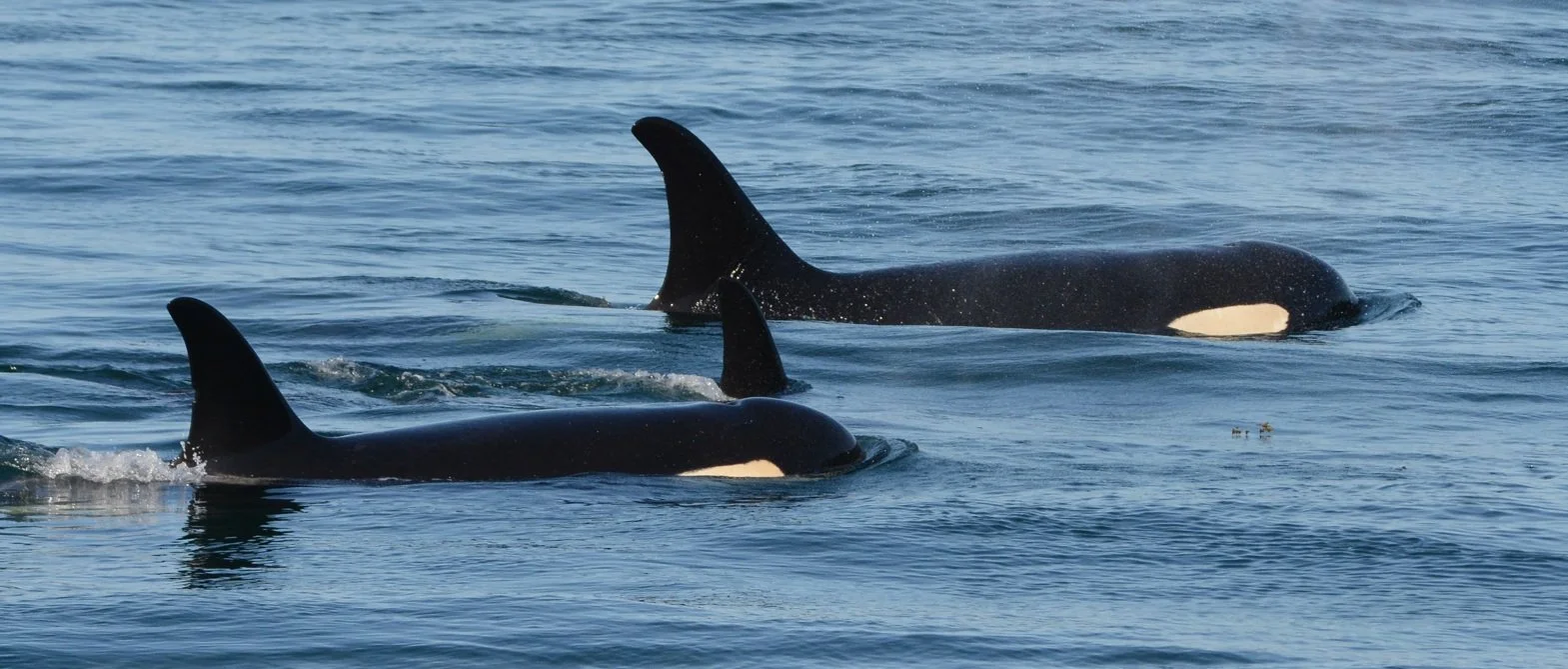
From mercury and cadmium to selenium and zinc, the elements that accumulate in an animal's body can offer valuable clues about its health and the environment it inhabits. A newly published study in the international journal PLOS ONE is helping scientists better understand what those clues look like in one of the Pacific Northwest's most iconic marine mammals: killer whales.
Drawing on 25 years of opportunistically collected tissue samples from stranded killer whales across the northeastern Pacific Ocean, researchers analyzed concentrations of both essential and non-essential elements in three distinct killer whale ecotypes—fish-eating residents, mammal-eating transients, and offshore killer whales that specialize in eating sharks and other fish. The study represents the largest and most comprehensive dataset of its kind ever assembled for killer whales worldwide.
We’re excited to announce that SeaDoc Society will fund six new science projects in 2026, investing nearly $270,000 in research to better understand and protect the Salish Sea. Carefully selected by our brilliant Scientific Advisory Committee and made possible by passionate donors like you, these projects tackle some of the region’s most important conservation challenges.