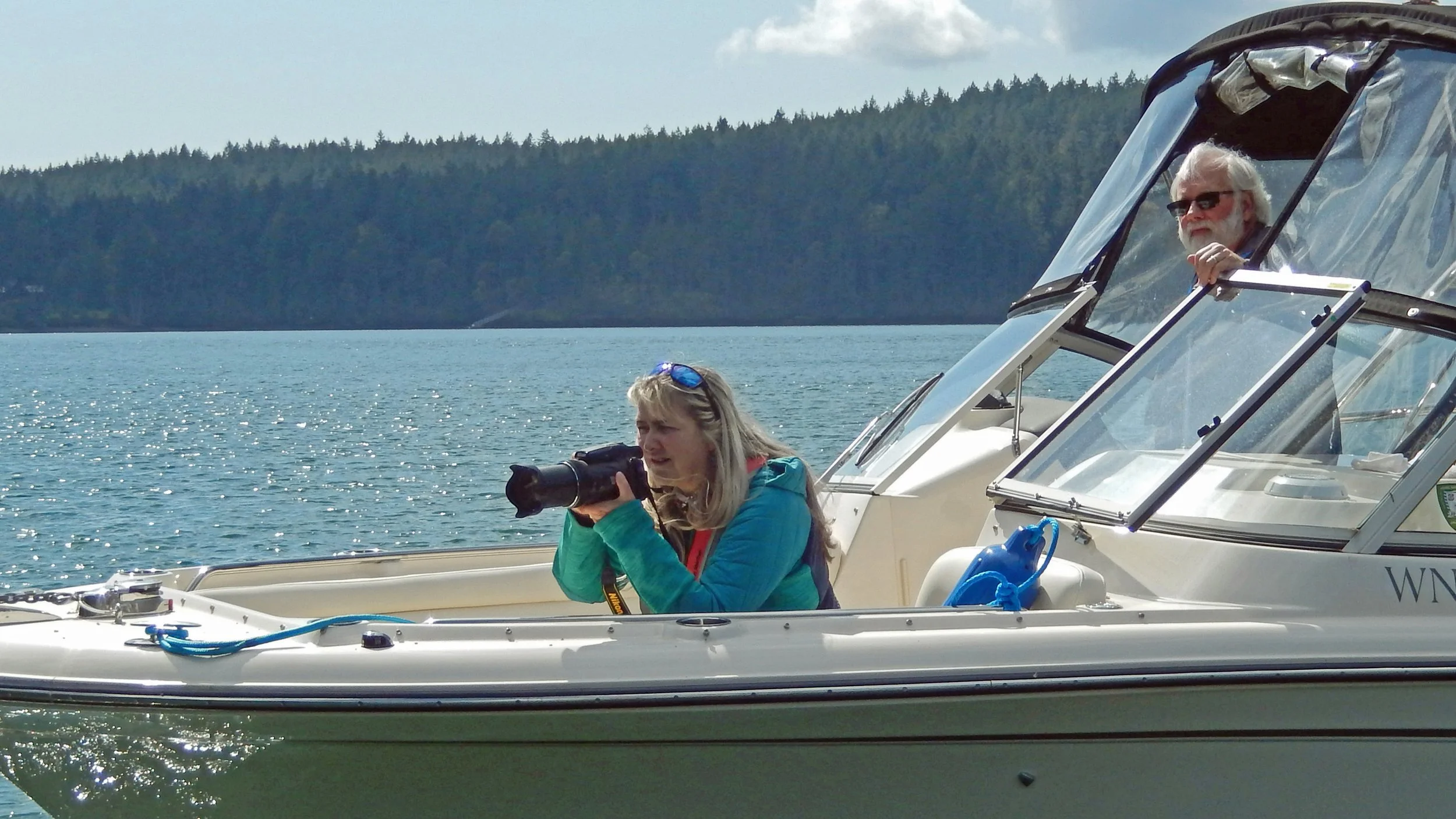
Donor Spotlight: Mariann and Ken Carrasco

Donor Spotlight: Mariann and Ken Carrasco

Orcas Island’s Mariann and Ken Carrasco both had successful careers in biology and remain dedicated supporters of science-based solutions to protect the wildlife. SeaDoc Society is lucky to be one of the organizations they entrust with their energy and their dollars. We had the opportunity to ask some questions about their relationship with this ecosystem and their efforts to preserve it!

Do Hatchery Salmon Influence the Migration of Wild Salmon? 

Do Hatchery Salmon Influence the Migration of Wild Salmon? 

Many salmon populations in the Salish Sea are bolstered by releases of juvenile fish that are raised in hatcheries. Juvenile salmon are particularly social creatures, which means many wild salmon may school with (and be influenced by) these hatchery-released fish.

Researchers have long suspected that the seaward migration of hatchery fish might inspire wild salmon to migrate out to sea along with them at times when they might not have otherwise made the trek.

Improving Rockfish Recovery Through Genetics

Improving Rockfish Recovery Through Genetics

Rockfish populations have largely recovered on the West Coast, but populations in the inland waters of the Salish Sea are still endangered.

A new SeaDoc Society-funded study led by University of Washington’s School of Aquatic Fishery Sciences will use genetics and life history information to determine which Salish Sea rockfish species have connectivity with populations on the outer coast and which are isolated to our island waters. Knowing this information will help improve rockfish conservation and recovery plans.

Donor Spotlight: Ed Gullekson

Donor Spotlight: Ed Gullekson

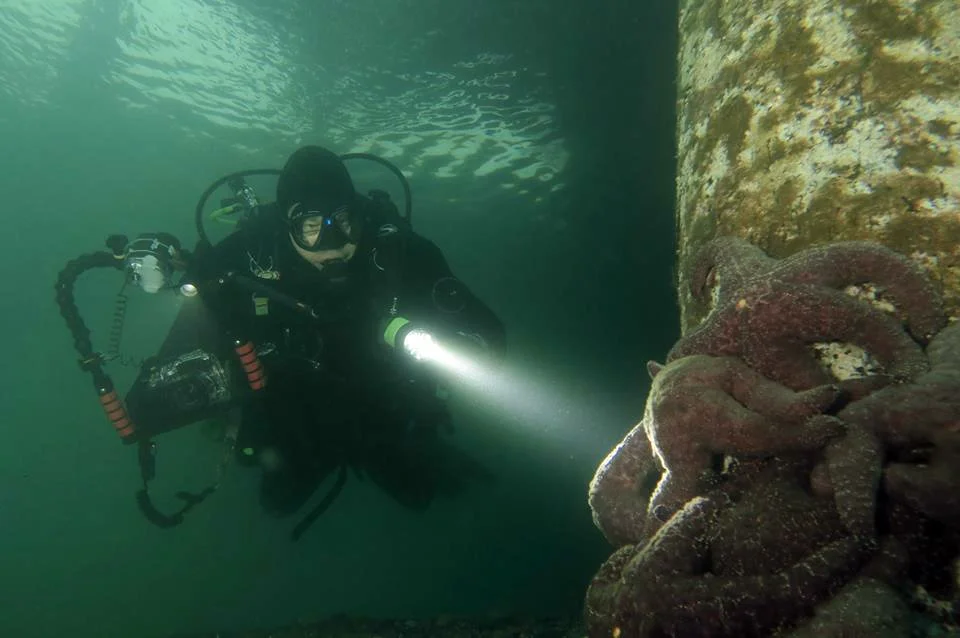
Ed Gullekson is a major asset to the Salish Sea, not only as an advocate for the environment but also as a skilled diver and photographer. Ed has worked alongside SeaDoc Society on our annual REEF advanced-assessment dives, which are an important way to track the health of our marine ecosystems. We asked Ed a few questions about his love for this place and his work in support of its health.

Into the Sandy Sea Floor with a Vital Forage Fish

Into the Sandy Sea Floor with a Vital Forage Fish

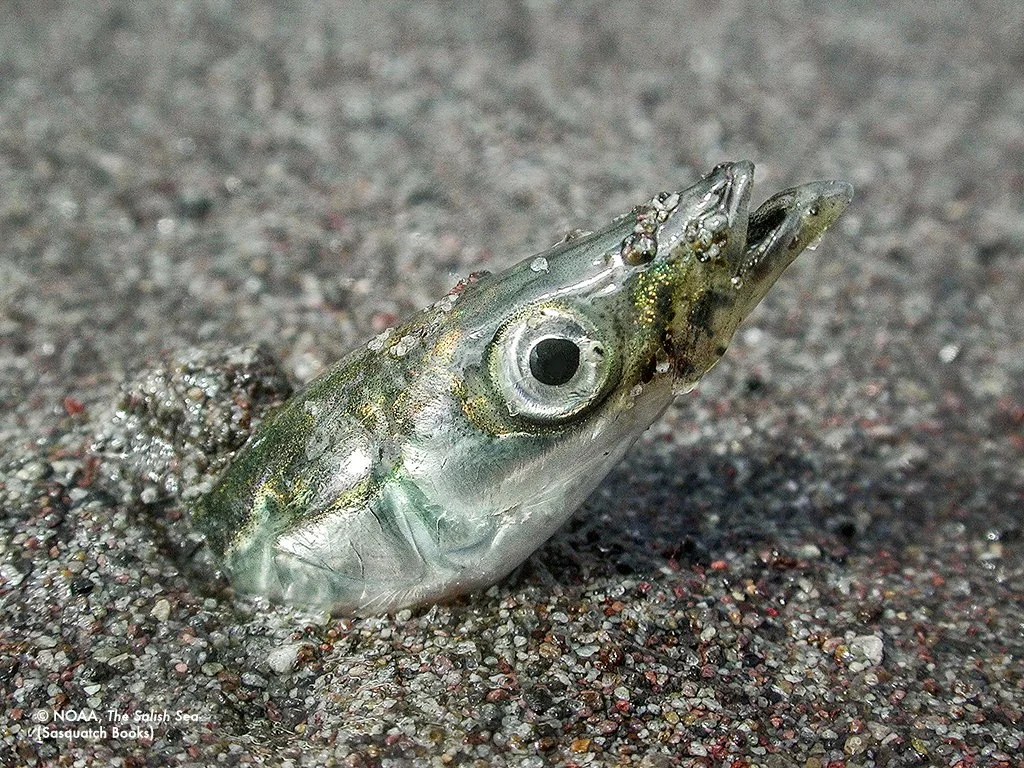
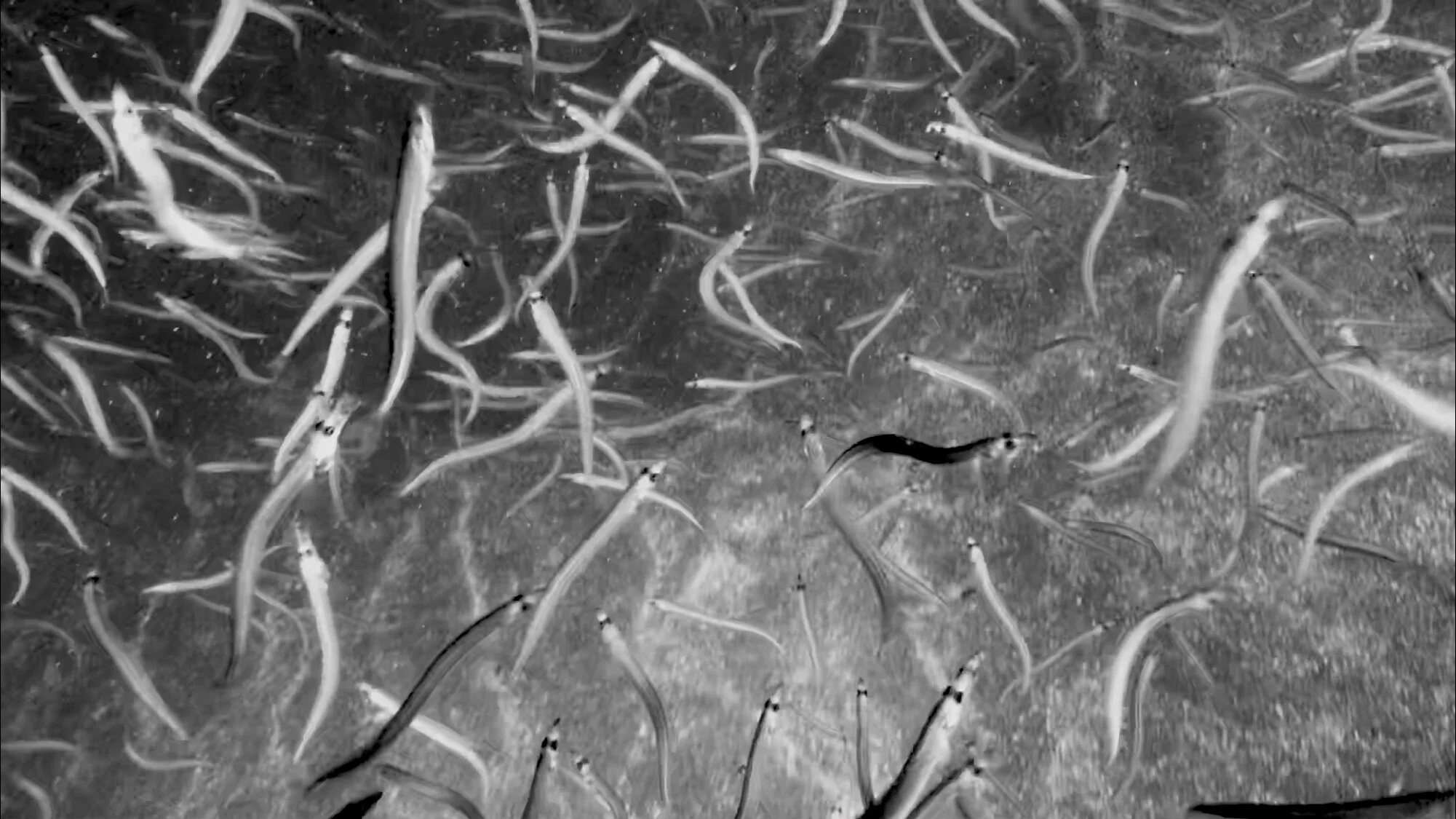
“Well-aerated, well-sorted, medium-to coarse-grain...” might sound like a wine flavor profile, but it actually describes the type of sandy, sea floor habitat preferred by Pacific sand lance. Sand lance play a crucial role in the Salish Sea’s food web, providing nutrition for everything from seabirds to whales, salmon, and lingcod. It’s thought that one sand wave field in the San Juan Archipelago alone could be home to over 12 million sand lance, but we’re only beginning to learn about their habitat.

Field Photos: On the Water with the Pinto Abalone Team

Field Photos: On the Water with the Pinto Abalone Team

Like we covered in a post this summer, saving endangered Pinto abalone is hard in part because locating their habitat is time consuming and, as a result, expensive. It requires boats and dive crews in search of suitable locations, but a recent SeaDoc-funded project is looking for something more efficient.

Photojournalist Gemina Garland-Lewis has been following Dr. James Dimond of Western Washington University and his team this summer as they’ve explored a new method: bottling up water and testing it for the presence of abalone DNA to determine habitat. That would simplify things greatly!

Fungal Outbreak in Marine Mammals Began on Land

Fungal Outbreak in Marine Mammals Began on Land

How is a deadly land fungus began killing marine mammals in the Salish Sea? In the early 2000s, a fungus infected hundreds of animals and people in British Columbia and Washington State. Scientists found that the disease also killed porpoises and dolphins in the Salish Sea – perhaps affecting cetaceans even earlier than people.

Has Piecemeal Destruction of Endangered Killer Whale Habitat Violated the Law?

Has Piecemeal Destruction of Endangered Killer Whale Habitat Violated the Law?

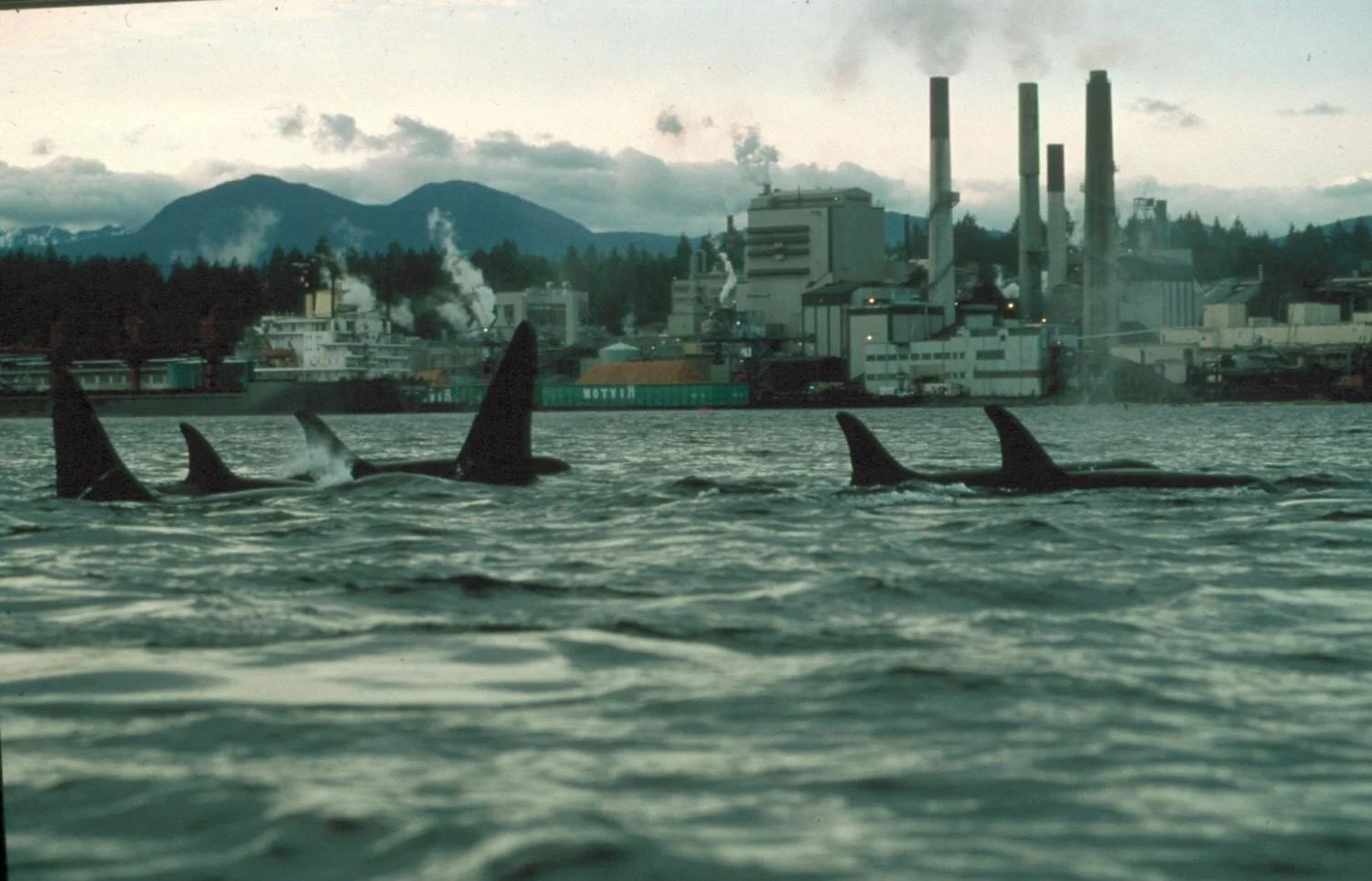
Southern Resident Killer Whales are severely endangered and human actions have fueled this decline. At what point does such degradation cross the legal threshold into destruction, introducing our own legal obligation to respond in accordance with the Endangered Species Act?

From depleted salmon populations to increased vessel disturbance and contaminated waters, a recent SeaDoc-funded paper suggests we may have already crossed that threshold into illegal destruction.

Field Photos: The Art of Working With Surf Smelt Embryos

Field Photos: The Art of Working With Surf Smelt Embryos

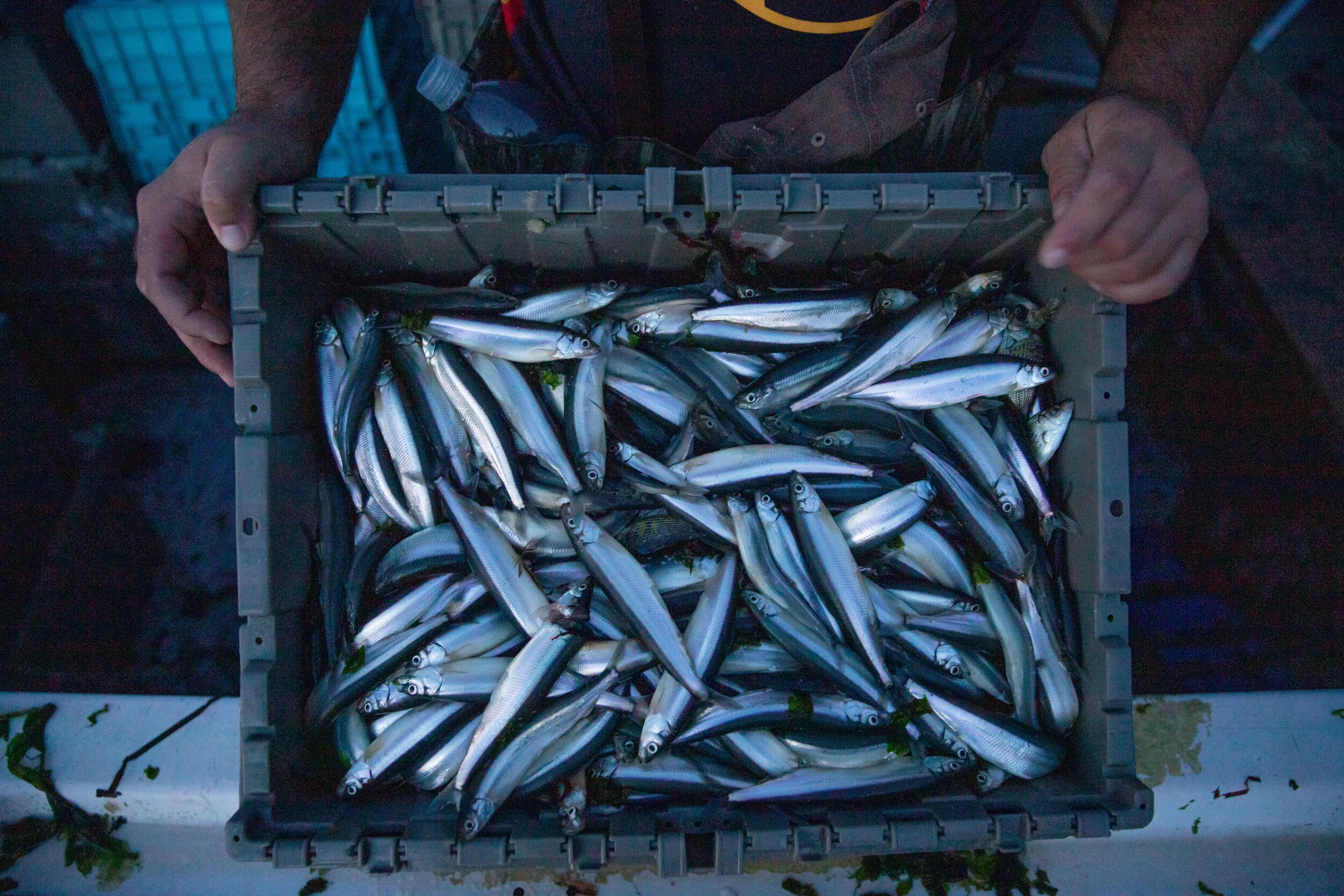
We recently funded a project that will study smelt habitat, which is being encroached upon by development. The project uses underwater cages to measure pollution exposure, which you can read about in our June blog post.

Photojournalist Gemina Garland-Lewis is shadowing the team in the field. Here are photos from a recent excursion.

Donor Spotlight: Gary Kilbourn

Donor Spotlight: Gary Kilbourn

The ocean and the rainforests are the lungs of our planet and without the oceans, we lose everything.

1. What initially inspired you to support SeaDoc Society?

I am involved with and support several key wildlife and nature groups throughout the world. My philosophy is to only support groups who can make a positive difference on the ground, such as groups who move the needle in a positive direction for their specifically targeted goals. The SeaDoc Society does just that, they are such wonderful, smart people, doing great work, and are making a tangible difference.

Going Deep to Study the Small But Vital Sand Lance

Going Deep to Study the Small But Vital Sand Lance

How do you conduct research on tiny, elusive fish that live hundreds of feet below the surface, burrow under the sandy seafloor, and are only half the size of a dollar bill? Like any challenge in marine biology, when there’s a will, there’s a wave.

In 2018, SeaDoc and Ocean Gate worked together to bring a submersible to the San Juan Islands for researchers needing such a platform for their work. A team of scientists from the Alaska Fisheries Science Center, University of Washington, Moss Landing Laboratories, and Tombolo Mapping Laboratory was awarded sub time to study a very important forage fish.

Is a Newly Discovered Worm a Threat to Oysters in the Salish Sea?

Is a Newly Discovered Worm a Threat to Oysters in the Salish Sea?

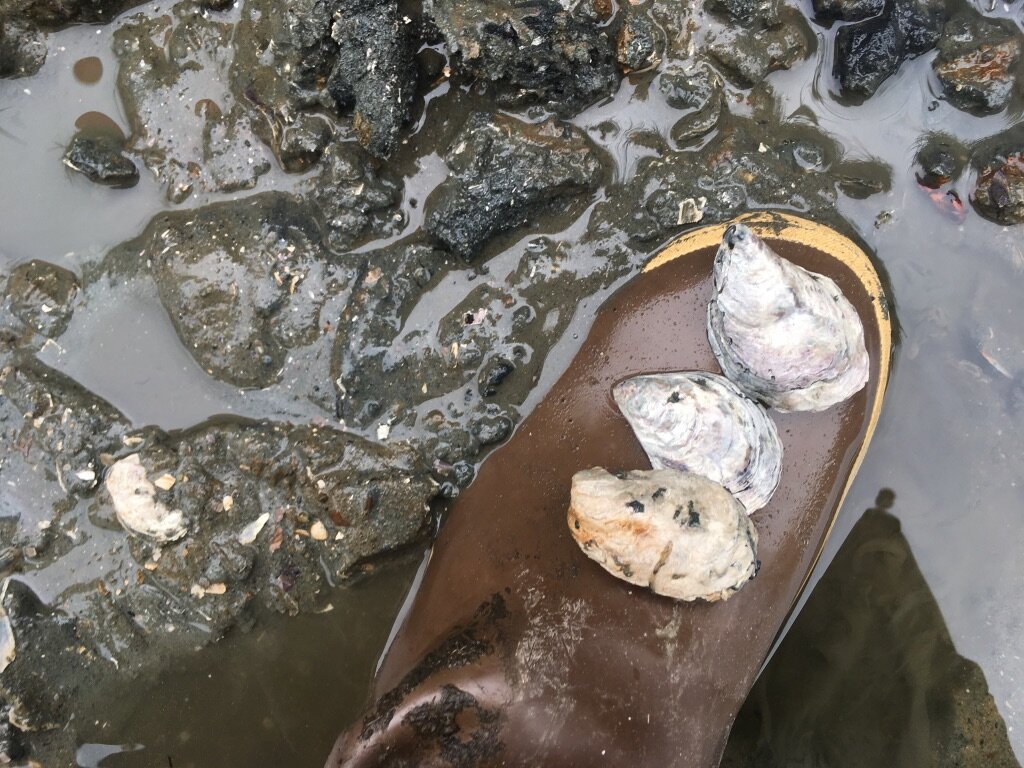
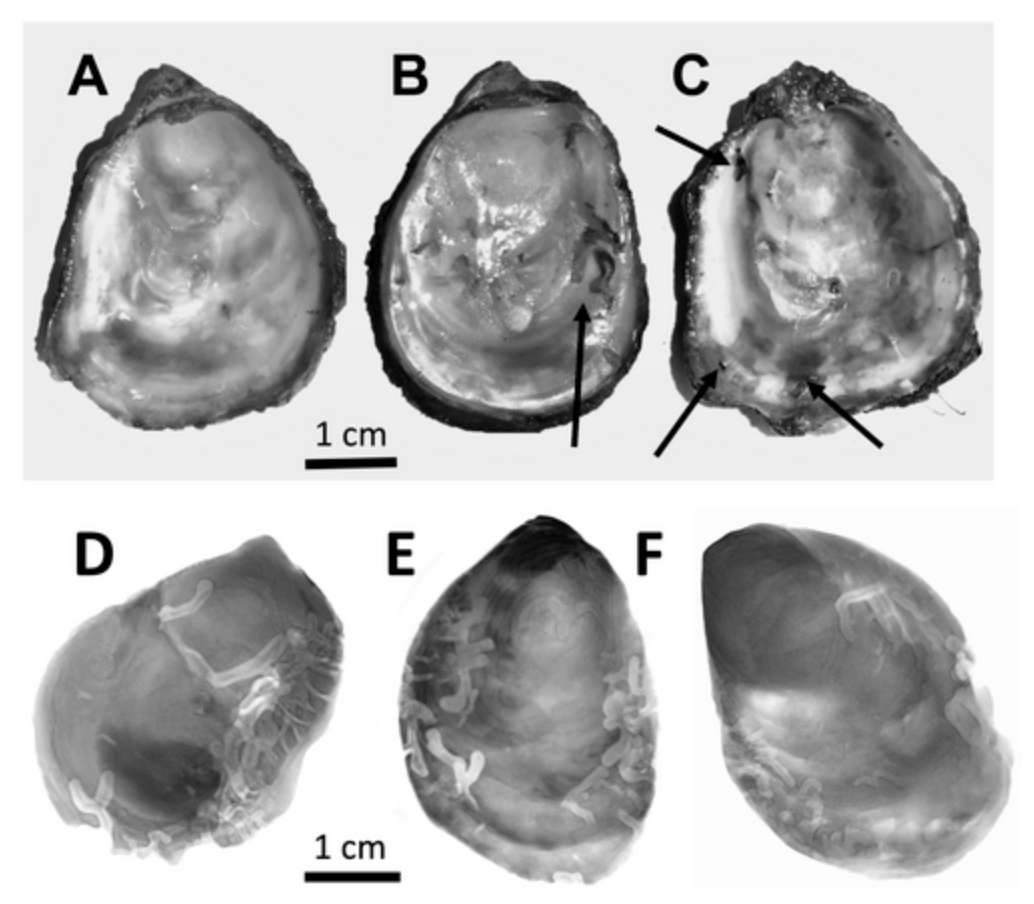
Is a newly discovered shell-boring worm a threat to Olympia oysters—a species of concern and the only oyster species in the Salish Sea?

Dr. Chelsea Wood and her team at the University of Washington School of Aquatic and Fishery Sciences aims to answer that question. If so, this will be crucial information to modify the current restoration plan for Olympia Oysters (Ostrea lurida).

Sunflower Sea Stars!

Our dive team has been out surveying for young of the year #rockfish this week with colleagues at Paua Marine Research. While did find the baby rockfish we set out for, we had another exciting finding!

We saw five different large sunflower sea stars. SeaDoc and colleagues have published several papers showing how these “world’s largest” sea stars have been decimated by sea star wasting disease and we’ve worked with numerous organizations to help get them listed as Critically Endangered by the IUCN.

Slowing Down on Sucia Island 

Slowing Down on Sucia Island 

It’s easy when you live in the Salish Sea to feel like you’re sort of perpetually camping. Water surrounds you, trees line up on the horizon, the air is fresh, etc. etc. etc. But you also have a phone in your pocket and bills to pay and new series to binge on Netflix. Sure it’s beautiful outside, but those are the trappings of regular nine-to-five type stuff. The forays into nature are carved out and fleeting.

Donor Spotlight: Tara Craig and Brenna Normann

We’re excited to introduce you to Tara Craig and Brenna Normann—two fairly new supporters of SeaDoc Society who immediately jumped on board as engaged monthly donors. Their employer matches each monthly donation, meaning their support is not only sustained but also doubled! Does your employer offer to match your charitable giving? Ask them or search for your employer here!

Dive and Boat Safety Week for Team SeaDoc!

Dive and Boat Safety Week for Team SeaDoc!

Our team spends a lot of time out on the water, especially this time of year. We always prioritize safety, and we have a great crew with varying degrees of responsibility, but those skills need tending, and we spent a full week in June doing just that with our friends at the UC Davis Boat and Dive Safety Program.

We’ve shared some photos below and some thoughts from our staff. Thanks to the team down at the Bodega Marine Lab for a great week!

Photos from the Field: Outplanting Endangered Pinto Abalone

Photos from the Field: Outplanting Endangered Pinto Abalone

A major hurdle in saving endangered Pinto abalone is the lack of an efficient, cost-effective way to detect where they live and thrive throughout the Salish Sea, which brings us to an exciting project being led by Dr. James Dimond of Western Washington University.

The State of the Salish Sea

Last week marked the release of the highly anticipated State of the Salish Sea Report, authored by Kathryn L. Sobocinski of Western Washington University. SeaDoc Society Science Director Joe Gaydos has served on the advisory committee for the project since 2016.

Joe’s involvement began when Bert Webber, who led the charge to name the Salish Sea, and Ginny Broadhurst of the Salish Sea Institute, invited him onto the 8-person committee.

Summer Reading: Homewaters, by David B. Williams 

Summer Reading: Homewaters, by David B. Williams 

This spring, author, naturalist and educator David B. Williams published his latest book, Homewaters: A Human and Natural History of the Puget Sound.

Our Science Director played a role in the scientific review of the book, which he called “a beautiful narrative that is not only entertaining but informative and will transform our understanding of the region.”

The book is an appealing way for newcomers and old timers alike to connect or reconnect with the place that they live.